



Phone:
+86 577 65917211 /
66801577 / 66816625

Views: 0 Author: Site Editor Publish Time: 2025-11-19 Origin: Site
A digital thermometer is an essential tool for precise temperature measurements in kitchens, labs, or industrial settings. But even the best thermometer can drift over time, leading to inaccurate readings. Learning how to calibrate a digital infrared thermometer or probe-type thermometer ensures reliability and consistency every time you measure. In this guide, we’ll walk you through practical calibration methods, from ice baths and boiling water to advanced dry block and electronic calibrators, helping you maintain accuracy and confidence in all your temperature monitoring tasks.
Calibration is basically checking a thermometer against a known temperature. It’s a way to make sure it reads correctly every time. When we calibrate a digital thermometer, we either compare it to a reference standard or adjust it based on a known point, like ice water or boiling water.
It ensures that readings are accurate and reliable. When you rely on a thermometer, you want confidence in the number it shows. If it drifts, even slightly, it can throw off cooking, lab experiments, or industrial processes. Calibration fixes that drift.
Calibration adjusts the thermometer to match a standard.
It reduces reading errors over time.
Both probe and infrared types can be calibrated.
| Reference Point | Temperature (°C) | Purpose |
|---|---|---|
| Ice water | 0 | Low-temperature accuracy |
| Boiling water | 100 | High-temperature accuracy |
| Dry block / digital bath | Varies | Multi-point calibration |
Skipping calibration can cause problems. If it reads incorrectly, you may misjudge food safety, experiment results, or industrial processes. They all rely on precise temperatures.
Calibration also keeps you compliant. Regulatory bodies like the FDA, ISO, and HACCP require accurate instruments. They expect regular checks and traceable calibration records.
Finally, calibration ensures consistency. Whether measuring ingredients, incubating eggs, or running a chemical reaction, it helps maintain repeatable results. They become predictable and trustworthy when your thermometer is accurate.
Avoid costly mistakes from inaccurate readings.
Meet safety, regulatory, and industry standards.
Keep measurements consistent and reliable.
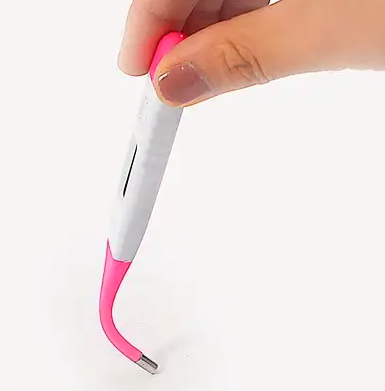
How often you calibrate depends on usage and environment. For frequent users, daily or weekly checks might be needed. If the thermometer is rarely used, monthly or before use is usually enough.
After the thermometer is dropped or potentially damaged.
When switching between very cold and very hot measurements.
Before first use or after long storage.
If readings appear unusual or inconsistent.
| Usage Scenario | Recommended Calibration Interval |
|---|---|
| High-volume food production | Daily / start of each shift |
| Laboratory experiments | Before each critical test |
| Industrial / process monitoring | Every 6–12 months |
| Occasional home use | Before use |
Even if you follow a regular calibration schedule, your digital thermometer may still need attention. You should consider recalibration if the readings fluctuate unexpectedly or jump without any apparent reason. Conflicting measurements between multiple thermometers are another clear sign that accuracy could be compromised.
Similarly, if the temperature seems off when compared to reliable reference standards, such as an ice water bath or boiling water, it’s time to check the calibration. Exposure to extreme heat, cold, or high moisture levels can also affect sensor performance, making recalibration essential to maintain precise and reliable readings.
Store in a protective case to prevent drops.
Avoid extreme environments that could stress sensors.
Wipe the probe clean after each use.
Record all calibration dates and results for traceability.
By monitoring these signs and following a routine, you can keep your thermometer reliable and your readings trustworthy.
An ice bath is a simple yet effective tool for checking thermometer accuracy at 0 °C (32 °F). Use crushed ice instead of cubes for better contact between ice and water. Fill a container almost full with ice, then add just enough cold water to submerge the thermometer probe. Stir gently and wait a few minutes for the temperature to stabilize.
Pros:
Budget-friendly and easy to prepare.
Good for quick field checks.
Cons:
Accuracy depends on correct ice-to-water ratio.
Hard to use for multiple thermometers at once.
The boiling water method tests a thermometer at 100 °C (212 °F) under standard conditions. Simply immerse the probe in a rolling boil and wait for the reading to stabilize.
Limitations:
Boiling point varies by altitude and barometric pressure.
Uneven heat distribution may affect readings.
Only provides a single-point calibration, not full-range accuracy.
Dry block calibrators provide a controlled heat source for probe-type thermometers. Insert the thermometer into the appropriate well and compare it to the machine’s stable temperature.
Benefits:
Supports multi-point calibration across the thermometer’s range.
Traceable accuracy suitable for ISO 17025 or NIST compliance.
Quick, precise, and reliable for lab or field use.
These electronic devices generate stable reference temperatures for digital thermometers. They can connect directly to probes or sensors and quickly verify accuracy.
Advantages:
Fast and highly accurate calibration.
Works across various thermometer ranges and resolutions.
Reduces dependency on ice or boiling methods.
High-accuracy reference probes are essential for calibration validation. They often have accuracies of ±0.03 °C and come with UKAS or NIST certificates. Use them to confirm source temperatures, like ice baths or calibration baths.
Tips for Use:
Only for calibration checks, not continuous measurements.
Allow sensors to stabilize before comparing readings.
Comparator Cups and Black Body Calibrators:
Ideal for infrared thermometer calibration.
Provide controlled surfaces with known temperatures.
Test Caps and MicroCal Calibrators:
Test caps check thermistor or PT100 instruments quickly.
MicroCal calibrators work for thermocouples (K, J, T, R, N, S, E types).
Probes must still be calibrated separately for full accuracy.
| Tool/Equipment | Use Case | Accuracy & Notes |
|---|---|---|
| Ice Bath | Freezing point check | ±1 °C possible, quick field use |
| Boiling Water | Boiling point check | Single point, affected by altitude |
| Dry Block Calibrator | Multi-point calibration, probe thermometers | ISO/NIST traceable, high stability |
| Digital Thermometer Calibrator | Rapid electronic calibration | Precise, versatile |
| Reference Thermometer | Validation of calibration sources | ±0.03 °C, UKAS/NIST certified |
| Comparator Cup / Black Body | Infrared thermometer calibration | Controlled temperature, high accuracy |
| Test Caps / MicroCal | Thermistors and thermocouples | Fast and economical |
The ice-point method uses the freezing point of water to check digital thermometer accuracy. Start by preparing an ice bath using crushed ice and just enough cold water to fill gaps. Stir gently to achieve uniform temperature. Insert the digital thermometer probe fully, avoiding contact with container sides or bottom. Wait for the reading to stabilize, usually around 30 seconds. If it shows a deviation from 0 °C (32 °F), adjust the thermometer according to manufacturer instructions. After adjustments, retest to confirm the correction and ensure reliable measurements. This method works for digital infrared thermometers as well when verifying ambient or surface temperatures indirectly.
The boiling-point method tests your digital thermometer at high temperatures. Boil water in a controlled environment, ideally in a deep heatproof container. Carefully immerse the probe without touching the container, and allow the reading to settle. Take altitude into account since higher elevations lower water’s boiling point. Adjust the digital thermometer if it reads incorrectly, then verify across multiple temperature points to ensure consistent accuracy over its full range. This method is suitable for digital infrared thermometers when cross-checking readings with a reference thermometer in high-temperature conditions.
Dry block calibrators provide stable, precise temperatures for probe-type digital thermometers. Set the calibrator to your desired temperature and wait for it to stabilize. Insert the thermometer probe into the correctly sized well. Compare the thermometer reading with the block’s set temperature. If the reading is off, adjust the digital thermometer and retest. This method allows multi-point calibration, exposing sensor drift or non-linearity, and ensures traceable accuracy suitable for laboratories, food safety applications, and industrial processes. Digital infrared thermometers can benefit indirectly by using dry-block-verified reference probes for surface temperature validation.
Digital thermometer calibrators offer fast, stable calibration without ice or boiling water. Connect the thermometer probe to the calibrator and set the target temperature. Wait for stabilization, then compare the reading with the calibrator’s output. Adjust the digital thermometer as needed. These devices allow multi-point calibration, rapid verification across different temperature ranges, and greater accuracy than traditional methods. They are ideal for frequent checks and professional use, and they can support digital infrared thermometers by providing reference standards for emissivity and surface measurements.
Single-point calibration checks a thermometer at only one temperature, like ice water or boiling water. It’s simple but can miss issues such as drift, non-linearity, or sensor errors. Multi-point calibration tests across several temperatures, revealing how the device performs throughout its full range. This approach helps detect subtle inconsistencies, ensures more accurate readings for critical applications, and prevents errors in laboratory, industrial, or food safety processes.
Infrared thermometers measure surface temperatures, so emissivity plays a key role in accuracy. Surfaces emit infrared radiation differently depending on material, color, or texture. Adjusting the emissivity on your device ensures proper readings. Tools like black body calibrators or comparator cups provide known reference temperatures. By comparing your infrared thermometer’s readings against these references, you can fine-tune emissivity and obtain reliable, repeatable results for metal, plastic, or other surfaces.
Professional and regulatory settings often require traceable calibration. ISO 17025 or NIST-compliant certificates document a thermometer’s accuracy and the standards used. These certificates include uncertainty values, calibration dates, and technician information. Traceable calibration ensures your readings are legally defensible, supports quality control, and maintains confidence in industrial or laboratory processes. Using certified calibration services helps meet compliance requirements for FDA, HACCP, or ISO-based programs.
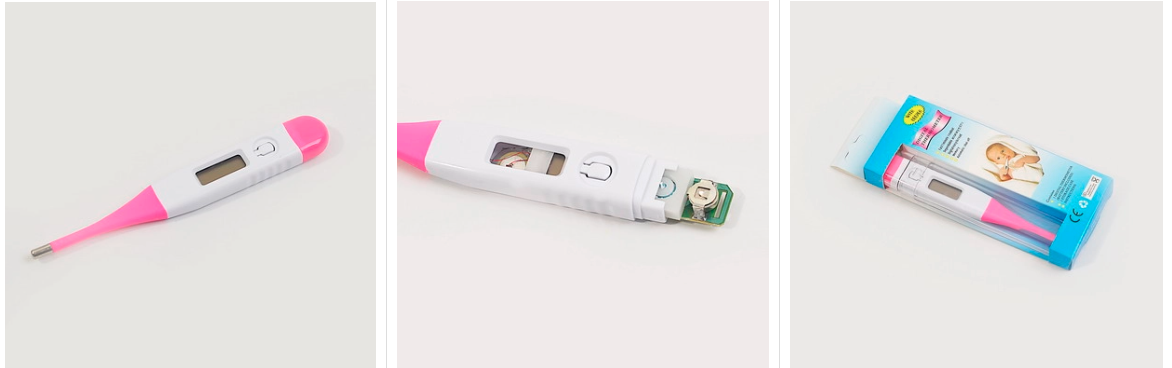
When your digital infrared thermometer or standard digital thermometer shows readings outside specification, first check your setup. Ensure the probe or sensor is fully exposed to the test medium, and the ice bath, boiling water, or dry block is at the correct temperature. Small deviations can sometimes be corrected using the device’s calibration or reset function. Tracking these errors helps identify recurring accuracy issues over time.
If your digital infrared thermometer consistently fails calibration checks or shows large errors, sending it to a professional calibration lab is recommended. Accredited labs use high-precision equipment, traceable standards, and trained technicians to recalibrate thermometers according to ISO 17025 or NIST. This ensures accurate readings and provides certification for compliance with food safety, industrial, or laboratory regulations.
Even after recalibration, a digital infrared thermometer may need replacement if it shows persistent fluctuations, physical damage, or repeated deviations outside tolerance. Using a damaged or inaccurate thermometer can compromise laboratory experiments, industrial processes, or food safety. Replacing the device ensures reliability and precise temperature measurement.
The frequency depends on usage and environment, but common recommendations are monthly, before first use, after drops or damage, or when readings appear inconsistent.
Yes, you can perform basic checks using an ice bath, boiling water, or reference surfaces, but high-accuracy adjustments may require specialized tools like black body calibrators.
Common tools include ice baths, boiling water, dry block calibrators, digital thermometer calibrators, reference thermometers, comparator cups, black body calibrators, and test caps or MicroCal devices for thermistors and thermocouples.
You may notice readings fluctuating unexpectedly, conflicting measurements between thermometers, or temperatures that differ from known reference points like ice water or boiling water.
Store your thermometer properly, avoid extreme conditions, clean the probe after each use, and record all calibration dates and results to maintain accuracy.
Calibrating your digital thermometer doesn’t have to be intimidating. By using ice baths, boiling water, dry blocks, or advanced calibrators, you can keep your readings precise and reliable, whether for cooking, laboratory work, or industrial processes. Paying attention to signs of drift and regular checks ensures your measurements stay trustworthy every time.
At RUIAN SUNNYWORLD INTERNATIONAL TRADE CO., LTD., we provide high-quality digital thermometers and calibration solutions designed for accuracy and durability. Explore our products to simplify your calibration routine and achieve consistent, professional results every day.